Buying a home is one of the biggest financial decisions most people make, and one of the most common questions we hear is, “How much do I actually need for a down payment?”
The good news: probably less than you think.
Your down payment depends on the type of loan, the property you’re buying and whether you’re a firsttime homebuyer. I’ll break down what goes into a down payment, what options exist and how to decide what’s right
for you.
What a Down Payment Really Is
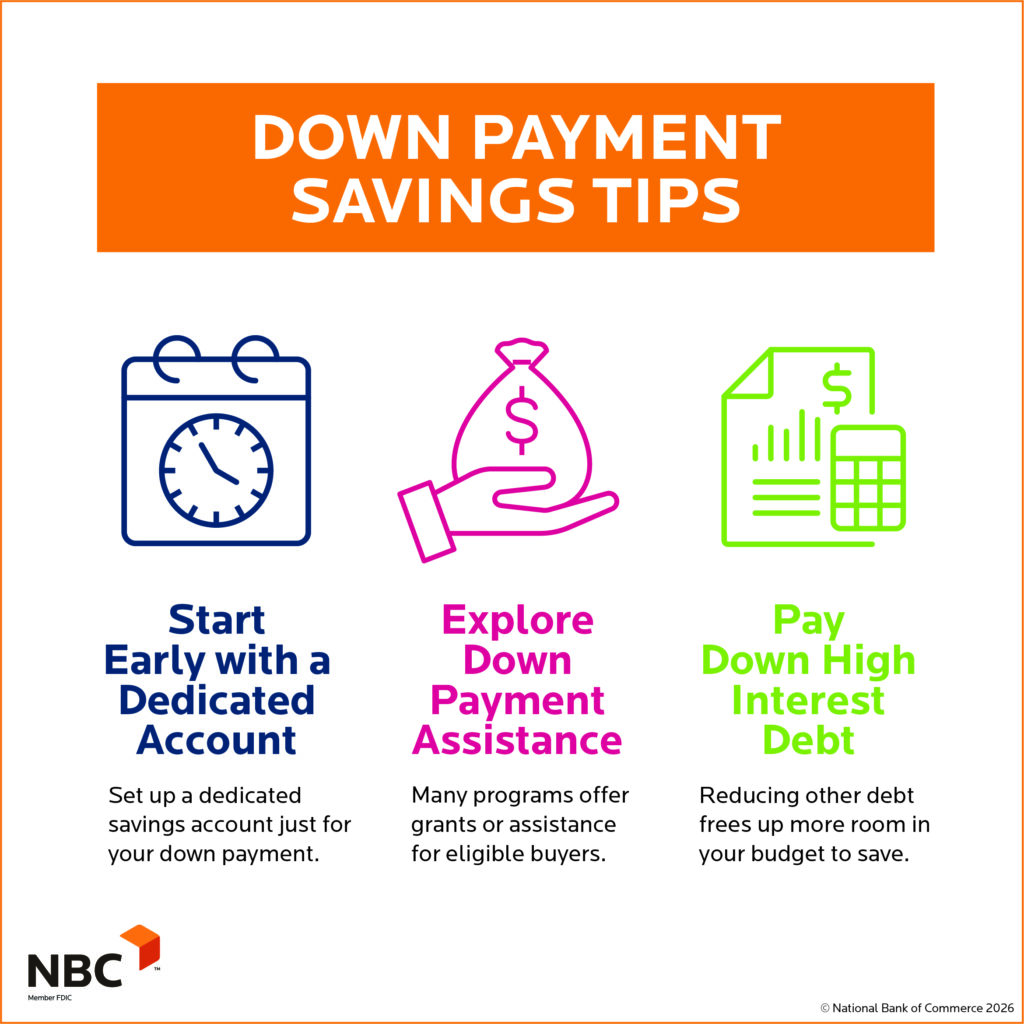
A down payment is simply the portion of the home price you pay upfront. It reduces the amount you borrow and can influence your interest rate, monthly payment and whether you need mortgage insurance. It also shows the lender you’re financially prepared for the purchase.
Why Many Borrowers Think They Need 20 Percent
There’s a longstanding belief that you must put 20 percent down to buy a home. While it’s true that 20 percent eliminates private mortgage insurance (PMI), it’s not a requirement for most buyers.
In fact, waiting to save 20 percent can delay homeownership by years. Many borrowers could qualify with far less, sometimes as little as 0–5 percent, depending on the loan program.
The key takeaway: you don’t need a large down payment to get started.
Down Payment Requirements by Loan Type
Different loan programs have different minimum down payments.
• First Time Homebuyers: Some programs allow 0–3 percent down, plus closing costs. These costs include the appraisal, title work, lender fees and county fees.
• Conventional Loan: If you’re not a firsttime buyer, you may qualify with as little as 5 percent down for a primary residence.
• Second Homes and Investment Properties: Down payments are higher, often 10–20 percent or more, as it’s riskier for a bank to lend on a second home, investment property, or vacant land as opposed to a primary residence.
• VA and USDA Loans: These programs may offer 0 percent down for eligible borrowers, depending on income and property location.
How Your Down Payment Affects Your Loan
Your down payment affects a few key parts of your mortgage loan:
• Monthly Payment: A larger down payment reduces the amount you borrow, which typically lowers your monthly payment.
• Private Mortgage Insurance (PMI): If you put less than 20 percent down on a conventional loan, you’ll likely pay PMI. This protects the lender, not the borrower, and is added to your monthly mortgage payment. PMI typically goes away once your loan reaches 80 percent of the home’s value and may vary based on factors like your credit score and down payment.
• Interest Rate: A larger down payment may help you qualify for a lower rate.
The Bottom Line
You don’t need a huge down payment to become a homeowner. Whether you’re putting 3 percent down or 20 percent, the right amount depends on your goals, your budget and the type of property you’re buying. I recommend meeting with a local lender who can help you explore options and find the best fit for your situation.
Tracy Allen is a mortgage banker at National Bank of Commerce.