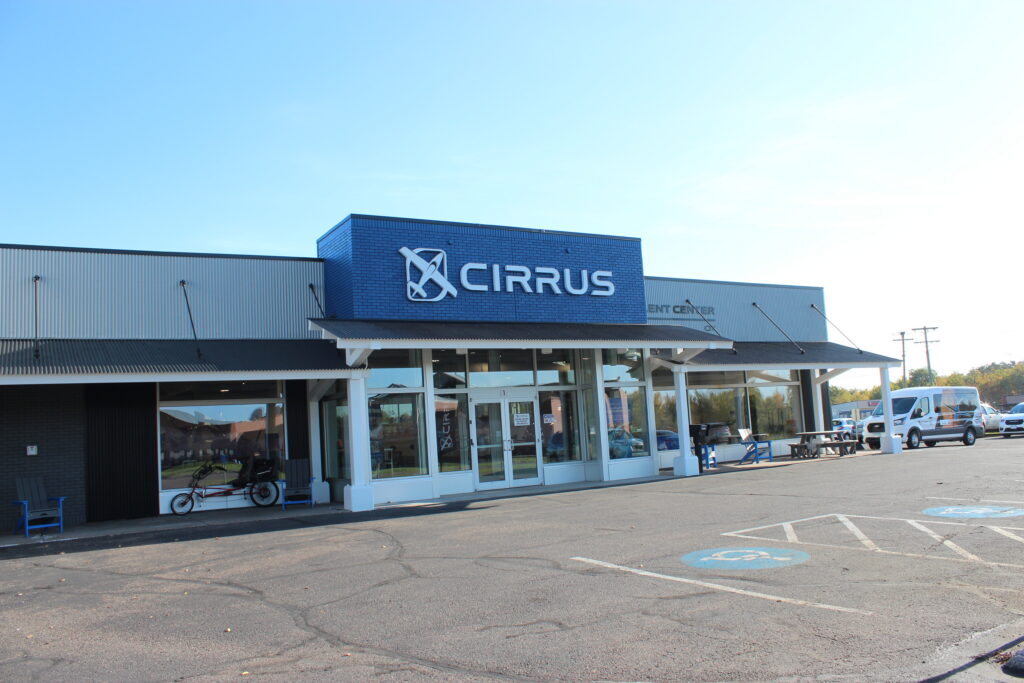
When Cirrus took possession of the former Harley-Davidson Sport Center building on Stebner Road in Hermantown last October, the company stared down an ambitious timeline: transform the space into a public-facing recruiting and training center and open it in time for the summer.
Why the rush? Workforce needs.
By June, the doors were open, talent was flowing in and the next chapter in one of the aviation industry leader’s proud history had been written.
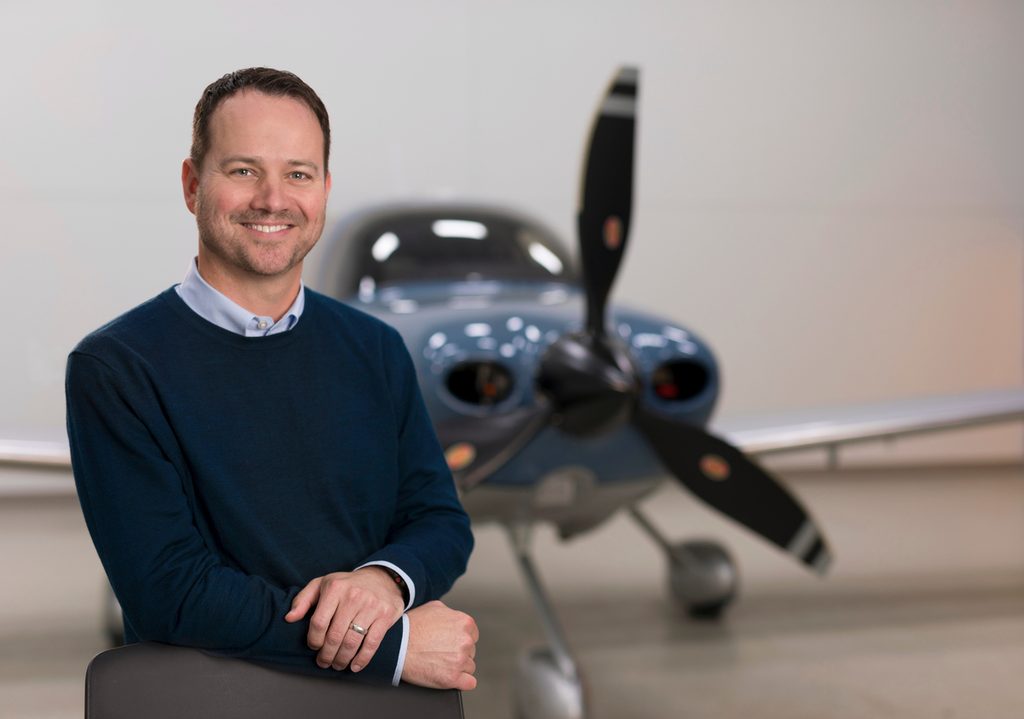
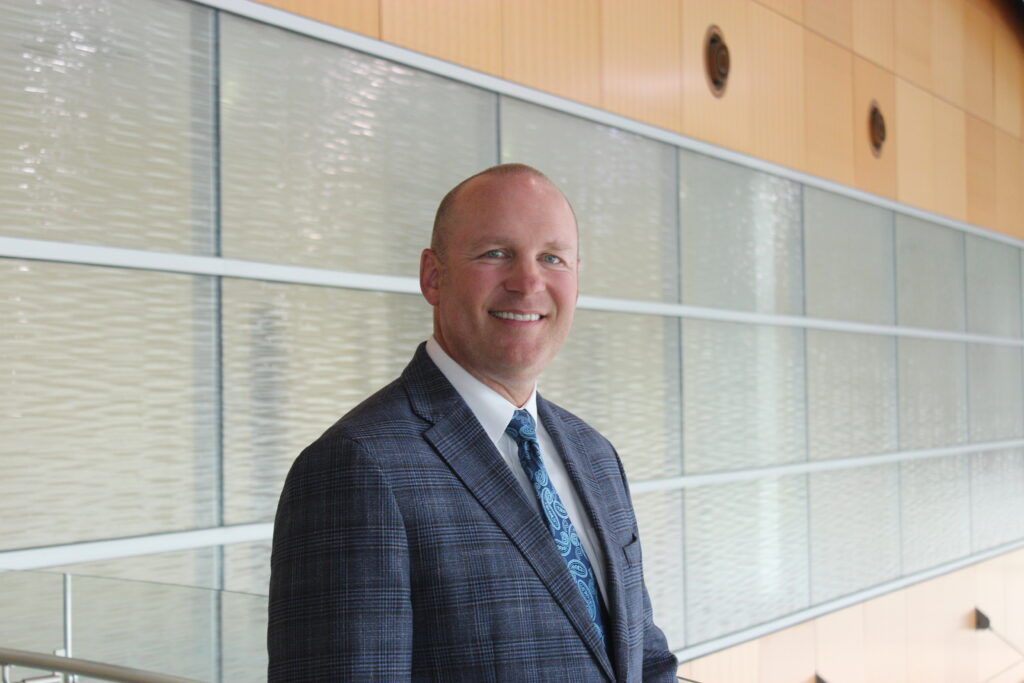
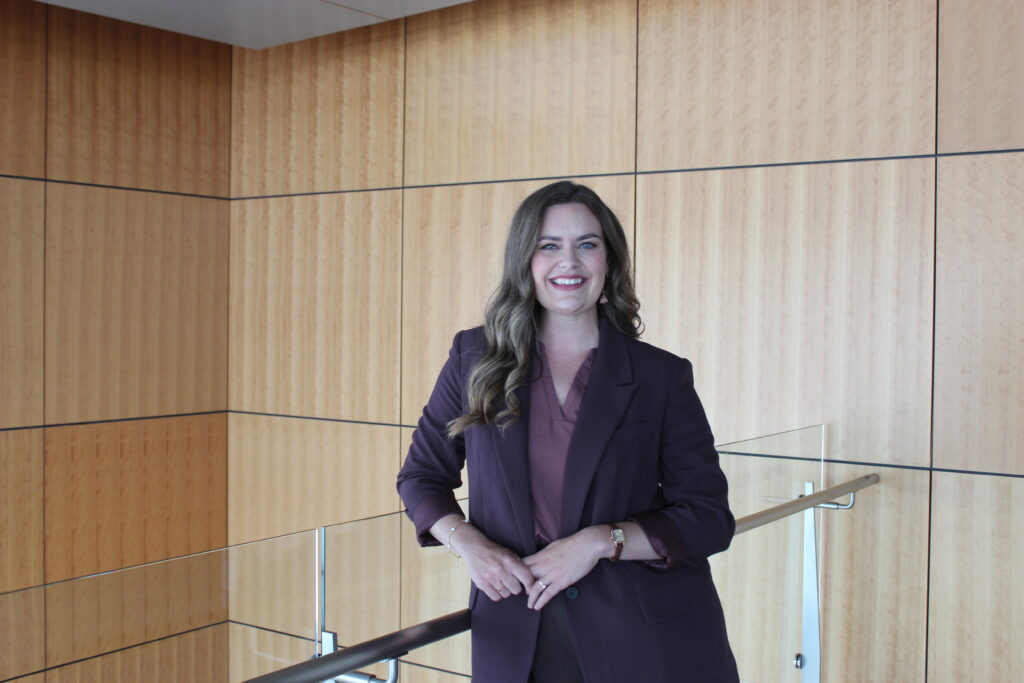
Cirrus CEO Zean Nielsen
“From the time we actually got possession of the building until we opened, it was lightning-fast,” Zean Nielsen, Cirrus’ chief executive officer, said of the project’s nine-month turnaround.
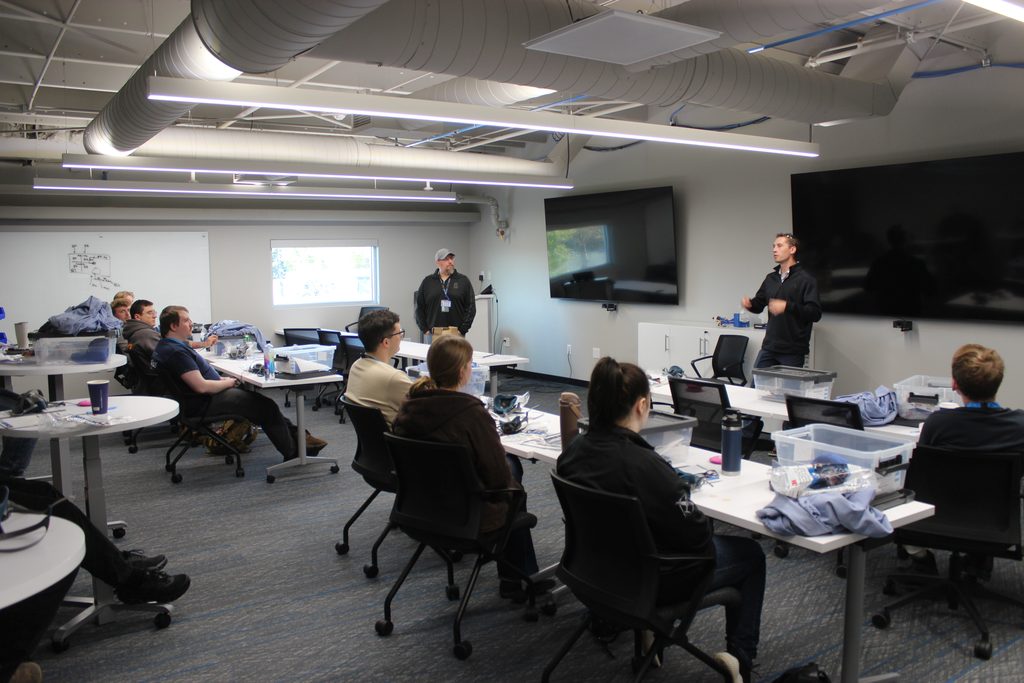
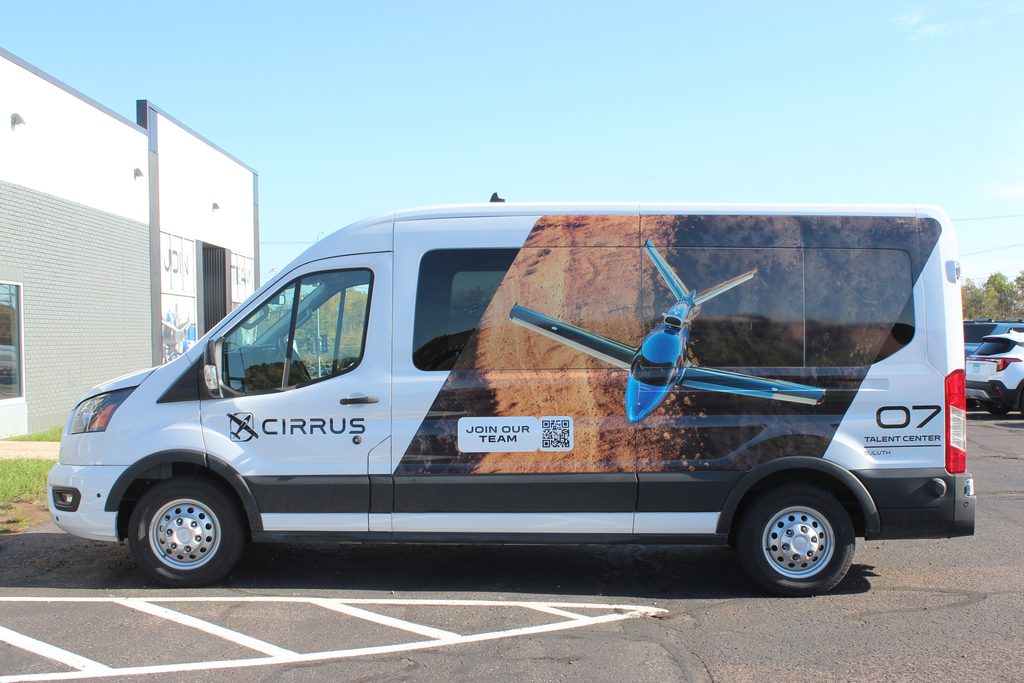
The 31,000-square-foot Cirrus Talent Center is designed to serve as a front door to the company, welcoming people who are curious about careers in aviation as well as new employees beginning their Cirrus journey. It brings recruiting, technical training, field-service education and professional development under one roof that passersby on Stebner and U.S. Hwy. 53 simply can’t miss.
The center is also a visible sign of Cirrus’ continued investment in Duluth, where the company has grown from roughly 1,100 to 1,200 employees less than a decade ago to more than 3,000 across seven campuses today.
Pardon the pun, but Cirrus has taken off. Its leaders think there’s still room to climb.
“We had outgrown the bones of the current footprint,” Nielsen said of his company’s former training space, which occupied a too-small and outdated building on its main campus near the Duluth International Airport.
That growth has created both opportunity and urgency. Cirrus has hired more than 300 new team members this year, including 65 in product development, and plans to add more than 240 employees across its Duluth-based operations the rest of this year and into 2027. Those positions include engineering, manufacturing and corporate-office roles.
The Talent Center is intended to help fill those jobs while giving new employees a stronger and more favorable introduction to the company, its culture and the standards required to build the best aircraft possible.
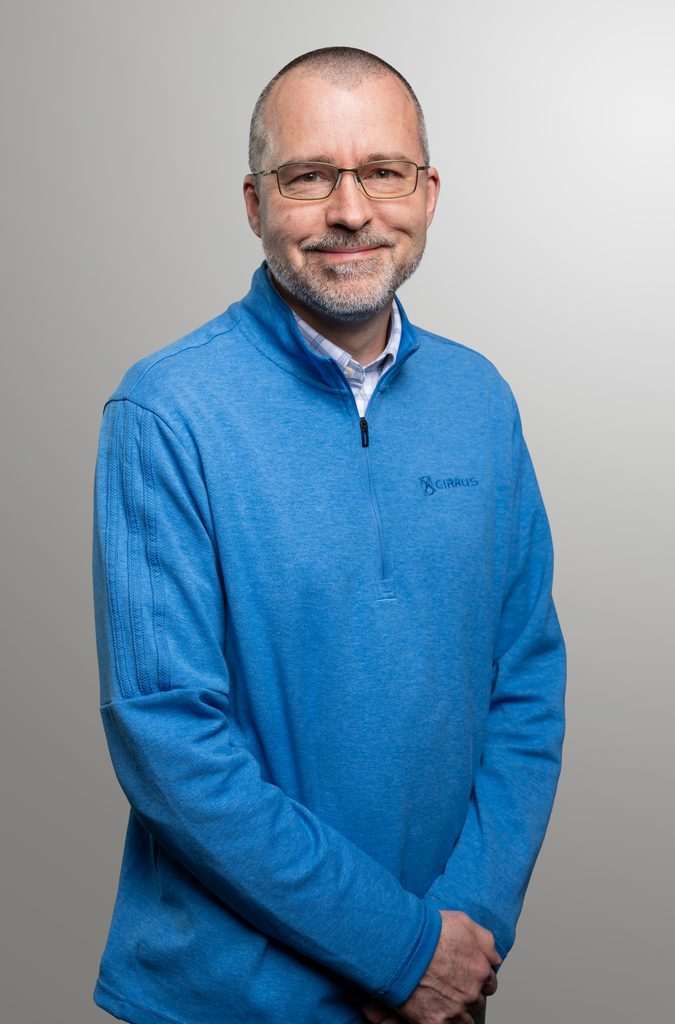
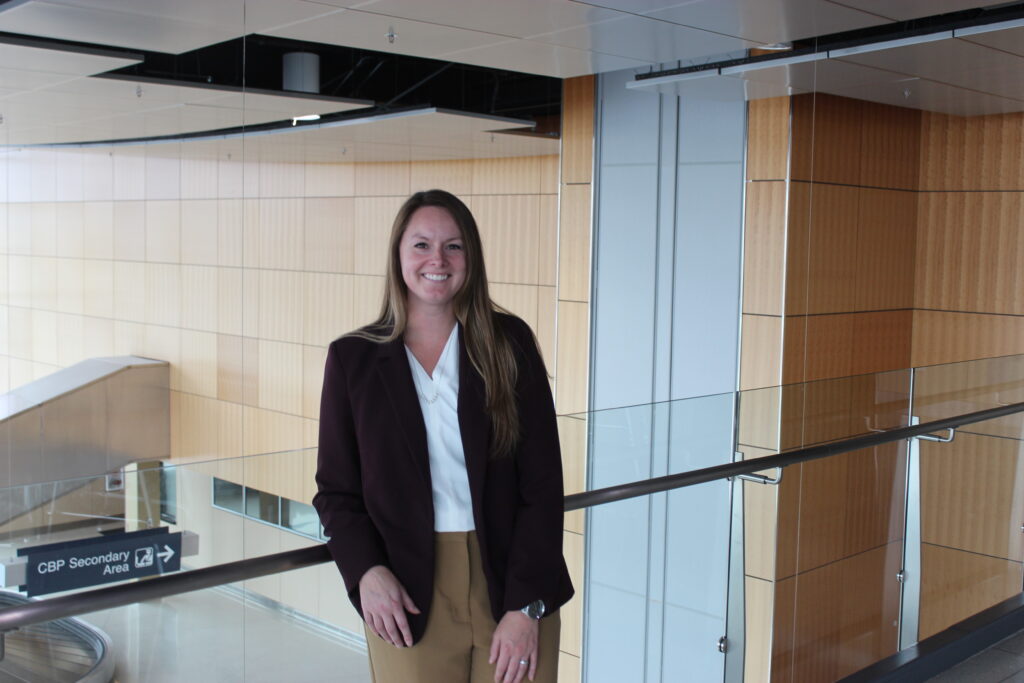
Cirrus Senior Vice President of Operations Steve Nelson
“This Talent Center is our stake in the ground,” said Steve Nelson, Cirrus’ senior vice president of operations. “This is our commitment to Duluth.”
A gleaming new front door
For years, Cirrus conducted training and onboarding in a building known internally as the “311 building.” The space was divided between manufacturing and training. Nielsen says it was about two years ago that the idea of a new venue took hold. During that time, it morphed from a “nice to have” into a “need to have.”
“We were out of space,” Nielsen says. “We’d outgrown every square inch of that building and needed to recapture more manufacturing space.”
The previous facility also was not an ideal environment for bringing in new employees. You don’t get a second chance to make a first impression, as the saying goes.
“It just wasn’t a good training environment,” Nielsen said. “It was half manufacturing, half training, and not great for either.”
The former Harley-Davidson building offered the opportunity to create a dedicated facility basically from the ground up. Its location also gives Cirrus a more prominent presence near a major roadway (even if the new digs mean the loss of one of the region’s best advertising jingles – “Harley-Davidson Sport Center … the dealer that makes the difference!”)
“We wanted a billboard that was visible, because we’re tucked away off the highway,” Nielsen said.
The result is a facility meant to feel accessible to the public and familiar to Cirrus employees. Someone who knows little about aviation can walk in, learn about the company and explore possible career paths. Prospective employees can connect with members of Cirrus’ Talent and Organizational Effectiveness team and its Learning and Development team.
Indeed, there is no mistaking where you are as you enter the main doors, which reside beneath a blue brick façade on the exterior, with “Cirrus” in snow-white lettering alongside a soaring airplane.
Banners and signage inside, along with airplanes dedicated for training on the main floor — which is draped in natural light — scream Cirrus. The two-story building is spotless, with work stations and conference rooms smartly laid out to maximize space. It’s a hub of activity, everyone moving with a purpose.
“The Talent Center is very welcoming,” Nelson said. “It’s approachable, it’s friendly and we’d love to train you in it.”
The name was intentional, too. Cirrus operates other training centers where pilots learn to fly, but this facility focuses on the people who design, build, maintain and support the aircraft.
“The Talent Center is about people; it’s about talent,” Nielsen said. “We don’t call it the training center, we call it the Talent Center.”
The building is open to the public, and Cirrus holds open recruitment events from 3-6 p.m. every Wednesday. Visitors can learn about roles ranging from administrative and corporate positions to manufacturing and technical careers.
The center is meant to make those opportunities easier to understand and easier to access, particularly for people who may not have previously considered a career in aviation.
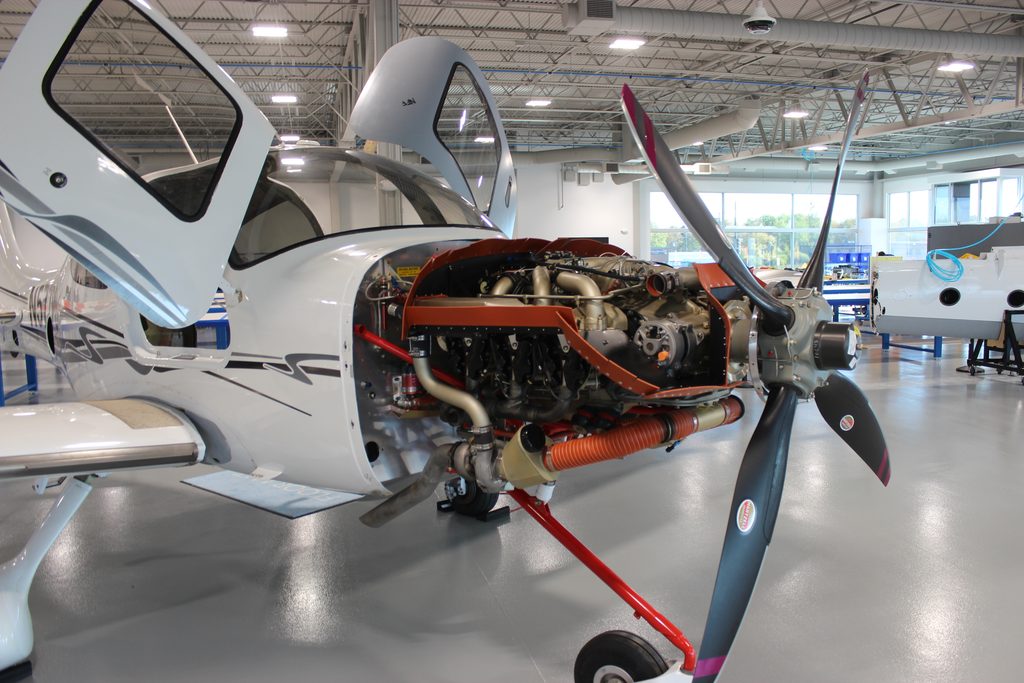
Learning Before the Production Floor
New employees typically spend between one and four weeks at the Talent Center, depending on their positions. Many are there for three to four weeks learning technical skills, becoming familiar with Cirrus’ culture and preparing to enter the production environment, where they can hit the ground running – or, perhaps more appropriately, hit the sky flying.
The goal is to move much of the learning curve out of the manufacturing area. That separation is critical.
“They’re not taking on that learning curve in the production environment,” Nelson said. “They’re doing that learning in the Talent Center.”
That distinction matters in an industry where safety, precision and quality are essential. They’re also the difference between merely surviving and thriving. New employees can practice skills, learn processes and understand expectations before they are responsible for work on the production floor.
The Talent Center also gives Cirrus an opportunity to evaluate how employees are adapting before they move into manufacturing.
“Do they show up on time? Can they be counted on?” Nielsen said. “We can assess a lot of those things during that time before they join the production environment.”
The facility itself is designed to reinforce the behaviors Cirrus expects from employees. Floors are painted white so foreign object debris – or FOD – can be easily seen and removed. Tools are organized and work areas are kept impossibly clean.
Those details may appear small, but they are directly connected to aircraft safety. In other words, practice how you play.
“It might seem trivial, but we want to make sure that carries over into the manufacturing space,” Nielsen said. “We want all those behaviors around safety, quality and cleanliness to carry over into the manufacturing environment.”
A wrench or other loose object cannot be left behind where it could fall into an aircraft engine or interfere with a critical system. The center helps employees understand that safety and attention to detail are not simply a classroom expectation. It is part of how Cirrus operates. Indeed, it’s part of Cirrus’ success and sustainability, its very ethos.
“Our commitment to safety and quality is our culture,” Nelson said. “That’s what defines us.”
Training is designed to help employees perform their current jobs while also preparing them to understand the work around them. Depending on the role, employees may learn about the station immediately before or after their own.
That broader view helps employees understand how their work affects the aircraft and their colleagues. It also gives the company flexibility to align its staffing with the most pressing production needs.
“It’s showing a benefit from Day 1,” Nelson said of the Talent Center.
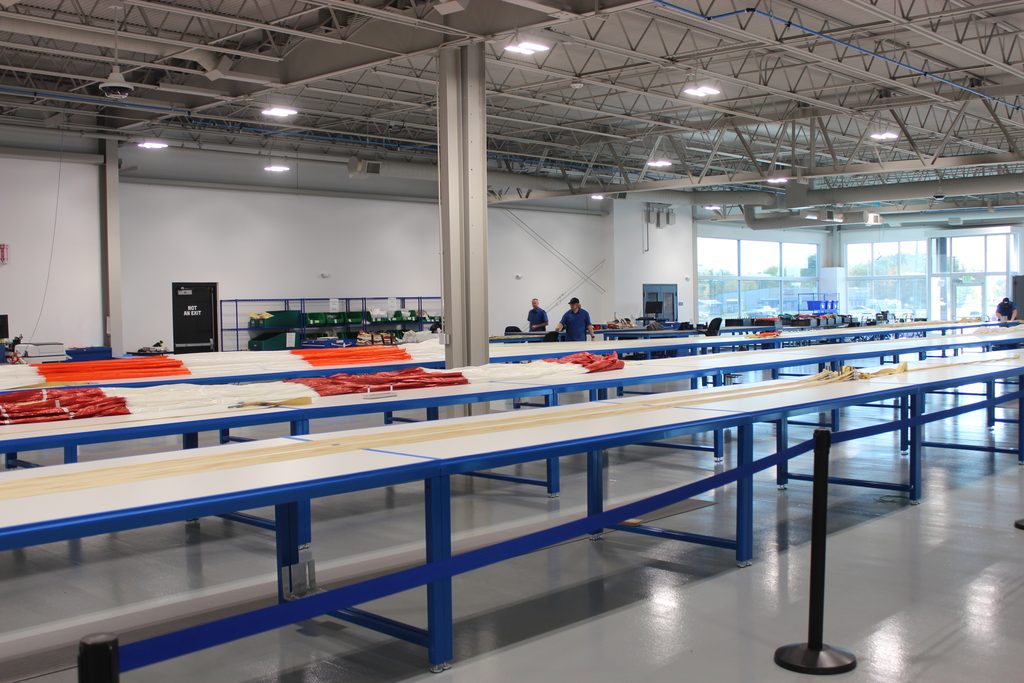
Building a Workforce For the Long Term
The Talent Center is also part of Cirrus’ broader effort to build a sustainable workforce in Duluth.
Manufacturing employers nationwide often face prohibitive turnover. Nielsen said attrition in manufacturing and production roles can range from 30% to 40% nationally. Cirrus’ rate is considerably lower, but even a lower percentage represents a substantial number of employees when a company has thousands of workers. And constant churn can bog down even the best businesses.
“Even if you say we’re only at 10%, that’s 300 people you have to onboard every year,” Nielsen said of Cirrus’ 3,000-plus roster.
A dedicated training and onboarding facility makes that process more efficient while reducing disruption in manufacturing areas. More importantly, Cirrus hopes the center will help employees see a future with the company rather than viewing a manufacturing position as merely a short-term job, merely a path to a paycheck and nothing more.
“There’s very limited career development” in many manufacturing environments, Nielsen said. “But here we have a lot of potential for career development. You can grow for years here.”
He points to Patrick “Pat” Waddick, Cirrus’ president of innovation and operations, as an example. Waddick started at the company as an intern after hearing about the Klapmeier brothers starting an airplane project in Baraboo, Wis., and advanced over four decades from overseeing the engineering division to operational excellence.
During that time, Pat has played an integral role in every Cirrus innovation, product development, airworthiness and more. He was recently recognized by the Living Legends of Aviation with the Dr. Sam B. Williams Technology Award for leading the development of the SF50 Vision Jet.
“This is not a job. It’s a passion, it’s a career,” Nielsen said. “And the Talent Center is the front door to that.”
That message may be especially important as Cirrus works to attract people who are looking for meaningful work and the chance to take pride and find gratification in what they do.
“Today, people want to have a purpose,” Nielsen said. “They want to know that what they work on is bigger. We like to say we defy gravity for a living. That’s pretty cool.”
Cirrus is strengthening its talent pipeline through partnerships and programs that include veteran-hiring initiatives, including work with members of the 148th Air National Guard who are transitioning to civilian careers. The company also has a high school manufacturing internship program and partnerships with Lake Superior College in machining and aviation maintenance.
Additional relationships with industry vendors support continuing education and upskilling.
The Talent Center brings many of those efforts together in one location. It is a place where prospective employees can learn about opportunities, new hires can begin their training and current employees can continue developing their skills.
A Fast-growing Aviation Community
The scale of Cirrus’ expansion has changed the company and its role in the region.
The company’s growth has made workforce development a central business priority. It also positions Duluth as an important center for aviation manufacturing and aerospace innovation.
“We’ve gone from 1,100 people to about 3,000 people,” Nielsen said. “And these are good-paying jobs. It’s a huge statement that we want to be here now.”
Cirrus’ growth also brings challenges, including housing. Recruiting people from outside the region can be difficult when prospective employees cannot find suitable housing close to work.
Nielsen said the city, surrounding communities and developers will need to continue working together to accommodate growth. He sees potential for Duluth and its suburbs to experience a transformation similar to what Fargo, North Dakota, has undergone.
“There’s no reason why Duluth and the surrounding suburbs couldn’t go through a similar transformation,” he said.
The Talent Center is Cirrus’ contribution to that effort, but it is also a statement about where the company sees its future.
“This is our way of saying we’re in it, we’re committed to Duluth,” Nielsen said.
Nelson, who spent 20 years with Harley-Davidson, sees a personal connection in the Talent Center. The property that once housed a highly regarded motorcycle dealership is now being used to prepare workers to build aircraft. From speed and safety on the streets to speed and safety in the sky.
“It’s a full-circle career moment for me,” Nelson said.
Nielsen described the transition another way: “Steve’s past and his future collided.”
Connecting People Through Aviation
For Cirrus, the value of aviation is ultimately about connection. The company’s aircraft make it possible to travel more efficiently, but Nielsen said the larger purpose is bringing people together. There’s an enormous potential to connect.
“What an airplane can do, when it’s built safely and affordably, is bring people together,” he said.
He points to the time and flexibility that personal aviation can offer. A commercial flight from Chicago to Duluth, with layovers and in between travel, can take roughly six hours, while a Cirrus SR Series piston aircraft can make the same trip in about an hour and a half.
That idea of connection also shapes how Cirrus thinks about its employees and its community. The Talent Center is intended to bring people together with opportunities, training and a company that is continuing to grow and thrive in Duluth. Everyone is welcome here, and everyone can find their niche.
The company’s immediate hiring needs are significant, but its leaders are focused on a longer horizon.
“I talk a lot about us planting the flag for the next 100 years of Cirrus’ success,” Nelson said. “How do we build our team so it withstands the test of time? We want to make the investment today to allow us to sustain that.”
The new facility is part of that investment. It creates space for training, but its purpose extends beyond classrooms and technical instruction. It is designed to shape how employees experience Cirrus from their first interaction with the company.
“When you hire someone, there are moments that matter,” Nielsen said. “We needed to elevate the training experience so it aligned with the brand experience.”
That experience begins with a clean, organized and welcoming building. It continues with technical preparation, meticulous attention to safety and opportunities for advancement. And it carries into the production facilities, where employees apply what they learned to the aircraft Cirrus builds. The final product carries a reputation as among the best-selling single-engine piston and jet on the planet.
For the company, that progression is essential. A strong first impression can lead to faster buy-in and stronger retention. A dedicated training environment can support safer and more consistent production. And a clear path for career development can help attract people who want more than a job.
The Talent Center represents all three goals.
“We bring people together,” Nielsen said.
For Cirrus, that means bringing together prospective employees and career opportunities, new hires and experienced trainers, education and industry, and a growing aviation company with the community it calls home.
The center’s opening is one more sign that Cirrus intends to keep growing in Duluth – and that it sees people as central to that future.
Louie St. George III is a Duluth-based freelance writer.